Cryotherapy for Minor Skin Lesions
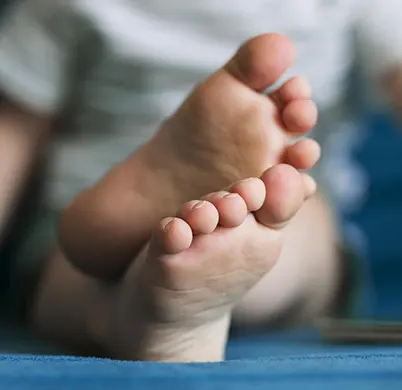
Skin lesions are common in childhood and, while many resolve spontaneously, some may persist or cause discomfort. When these lesions begin to interfere with your child’s comfort, function, or self-confidence, cryotherapy may be an appropriate and effective treatment option.
Dr Megan Page and Dr Juliet Hannington offer cryotherapy as part of their general paediatric care for the management of minor skin lesions. This is a simple, in-office procedure that is quick, low-risk, and generally well tolerated by children.
What Is Cryotherapy?
Cryotherapy is a treatment modality that uses extreme cold, typically via liquid nitrogen, to freeze and remove benign or unwanted skin tissue. In a paediatric setting, it is commonly used to treat non-serious lesions such as warts, skin tags, or other superficial growths.
The cold agent is applied to the lesion using a precision applicator or spray device, with the aim of selectively destroying the abnormal tissue while preserving the surrounding healthy skin. The procedure is brief and can usually be completed within a few minutes.
While the concept may sound technical, cryotherapy is straightforward in practice and often well accepted by children, especially when the process is explained to them in advance.
What happens during the appointment?
Before anything begins, we explain the procedure to both you and your child. This helps reduce anxiety and sets expectations clearly.
During the cryotherapy procedure:
- The skin lesion is identified and cleaned
- A cold applicator or spray is applied to the lesion for a few seconds
- The cold causes a temporary stinging or tingling sensation
- A small blister or scab may form afterwards, which usually heals within 7-10 days
The appointment typically lasts no longer than 30 minutes. After treatment, you will receive clear aftercare instructions and know what to look out for in the healing process.
Will one treatment be enough?
Sometimes one session is enough. However, depending on the size and depth of the lesion or the specific condition being treated, a second or third session may be recommended.
If a follow-up is needed, it can be discussed and scheduled during your child’s consultation. In the following days, you will also be given guidance on how to manage the skin at home.
Is cryotherapy safe for children?
Cryotherapy is considered safe for use in children when applied appropriately and for the right reasons. That said, not every skin concern is suitable for cryotherapy, and some may require different approaches.
Before any treatment is offered, Dr Megan Page or Dr Juliet Hannington will assess the lesion and decide whether cryotherapy is the right option. If not, alternative options can be explored.
Some children may experience:
- Mild discomfort during the procedure
- Temporary redness or swelling
- A small blister or scab
- Rarely, changes in skin pigmentation at the site
These effects are usually mild and resolve without complications.
Can my child return to normal activities after treatment?
Yes. Most children can return to their regular routine, school, play, and sport immediately after the appointment. Depending on where the lesion was treated, you may be advised to avoid swimming or excessive friction on the area for a few days.
It is important to keep the area clean and dry. You will be given aftercare instructions and signs to watch for, although most children heal without issue.
How do I know if cryotherapy is right for my child?
If your child has a wart or another minor skin lesion that is bothering them or not going away, it may be time to explore your options. You are welcome to book a general GP consultation to assess the lesion before deciding on treatment.
To book an appointment or find out more about cryotherapy for minor skin lesions, please contact the practice. We are here to support your child’s health, inside and out.
Our Services
Contact


Accounts:
